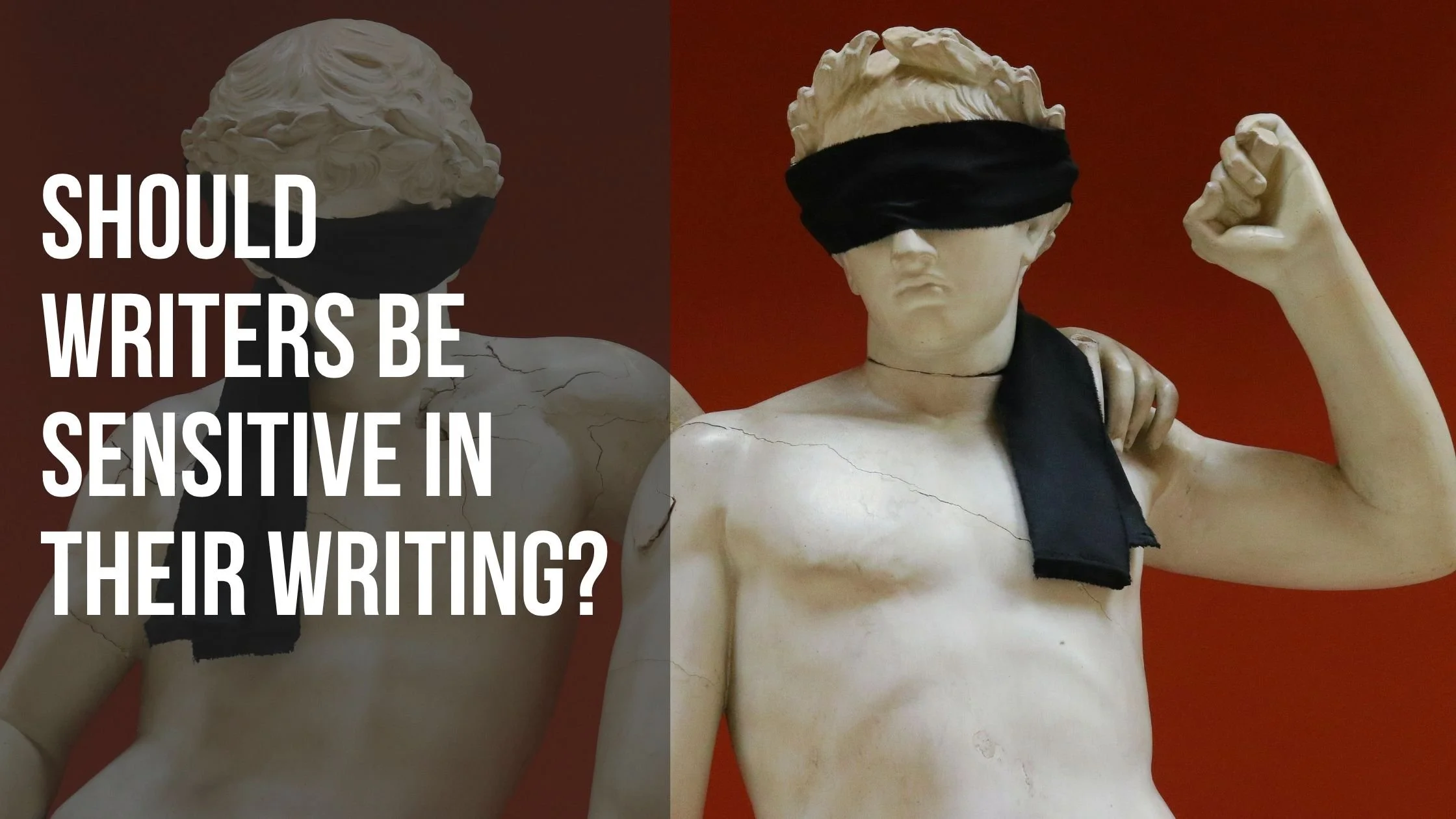
Should Writers Be Sensitive In Their Writing?
One of the biggest challenges facing writers today is that stories no longer exist in isolation. A book is not simply written, published, and left alone for readers to interpret privately. Writers now exist in a world where conversations about representation, cultural sensitivity, content warnings, and the impact of storytelling are happening constantly.
For some authors, this can feel overwhelming. Writing has always involved exploring difficult subjects, but many writers now find themselves questioning where the line is between telling an honest story and causing unnecessary harm. Should you avoid certain topics because they might upset readers? Should villains always be carefully balanced? Should every difficult scene come with a warning?
These questions are not always easy to answer because storytelling has never been about making everyone comfortable. Some of the most powerful books ever written explore violence, trauma, injustice, fear, grief, and the darker parts of human nature. Removing all uncomfortable elements from fiction would also remove many of the reasons stories matter in the first place.
At the same time, readers are not simply passive audiences. They bring their own experiences, emotions, and personal histories to every story they read. A scene that one reader finds fascinating and thought-provoking may be genuinely difficult for another person because of something they have experienced in their own life.
The challenge for modern writers is not avoiding sensitive subjects entirely. It is learning how to approach them with awareness, intention, and respect.
Writing Something Difficult Does Not Mean Supporting It
One of the most common misunderstandings around sensitive writing is the idea that including something in a story means the author agrees with it. This has never been true. Fiction has always been a way for writers to explore the darkest parts of humanity without necessarily endorsing them.
George Orwell wrote 1984 as a warning about authoritarianism, surveillance, and manipulation. The novel contains disturbing ideas because the discomfort is part of the message. The purpose of the book is not to celebrate oppression, but to show readers the dangers of allowing those systems to exist.
Similarly, Toni Morrison explored slavery, racism, trauma, and generational suffering in works such as Beloved. These subjects are painful, but that pain is intentional. The story asks readers to confront experiences that are often ignored or forgotten.
Writers have always used fiction to examine difficult realities. Horror explores fear and mortality. Crime fiction explores violence and human cruelty. War stories examine suffering and sacrifice. Dystopian fiction explores the consequences of losing freedom.
A writer's job is not always to make readers comfortable. Sometimes a story's purpose is to challenge assumptions or force readers to consider perspectives they would rather avoid.
The more important question is not whether a subject is uncomfortable. The more important question is whether it has a meaningful reason for being included.
The Difference Between Exploration And Exploitation
Where writers need to be careful is understanding the difference between exploring a difficult subject and using it purely for shock value.
Readers can usually sense when something exists because it serves the story and when it exists simply to create a reaction. A violent scene that reveals something important about a character or changes the direction of a story feels very different from violence included only because the author wants to create a shocking moment.
The same applies to trauma. A character experiencing hardship can create a powerful emotional journey when the story explores how that person responds, survives, changes, or struggles. However, using trauma as a shortcut to make a character seem interesting can often feel shallow.
This is especially important for writers working in genres such as horror, science fiction, fantasy, and thrillers, where extreme situations are often part of the appeal. These genres naturally explore frightening and uncomfortable ideas, but the strongest stories understand why those elements exist.
A horror story without fear loses its purpose. A war story without suffering avoids the reality it is trying to explore. A dystopian story without oppression has nothing meaningful to say.
The darkness needs to serve the story.
Should Writers Use Trigger Warnings?
Few topics create as much debate among writers as trigger warnings and content notes. Some authors believe they are a useful tool that helps readers make informed choices, while others worry they can limit creativity or remove the surprise that makes stories powerful.
The reality is that content warnings do not necessarily mean a writer is apologising for their work or suggesting readers cannot handle difficult subjects. In many cases, they simply provide context.
A reader who has experienced trauma may still want to read a story involving that subject. In fact, many people find comfort and understanding in stories that explore experiences similar to their own. However, they may prefer to know what emotional themes they will encounter before beginning.
This is where content warnings can be useful.
Authors in genres such as young adult fiction, horror, and fantasy have increasingly used content notes because their audiences often appreciate knowing when stories contain themes such as abuse, self-harm, sexual violence, or graphic content.
The important distinction is that a warning is not the same as telling readers they should avoid a story. It is simply giving them the information needed to make their own choice.
Do Trigger Warnings Reduce The Impact Of A Story?
One argument against content warnings is that they can weaken storytelling by removing surprise. After all, tension and uncertainty are important parts of fiction.
However, a well-written content warning does not need to reveal plot details or spoil the experience. There is a significant difference between telling a reader that a book contains themes of grief, violence, or trauma and explaining exactly what happens in the final chapter.
Knowing a story contains difficult material does not automatically remove its emotional impact.
Many people watch horror films despite knowing they will be frightened. People read tragedies despite knowing they will feel sadness. The emotional power comes from how the story explores those experiences, not simply from discovering they exist.
A warning can provide context without taking away the journey.
The real question for writers is whether they are using difficult content because it supports the story or because the surprise itself is the only purpose.
When Changing Sensitive Content Changes The Meaning
One of the most interesting challenges writers face is deciding when changing sensitive material improves a story and when it damages the original intention.
Sometimes making changes is valuable. A writer may realise that a portrayal relies on stereotypes, lacks research, or unintentionally sends a message they did not intend. Taking the time to reconsider those choices can strengthen the work.
However, there are also situations where removing uncomfortable elements fundamentally changes the story.
Bret Easton Ellis faced significant controversy with American Psycho because of its extreme violence and disturbing content. Critics have debated for decades whether the novel's shocking material is a necessary part of its criticism of consumerism and moral emptiness or whether it goes too far.
Regardless of where readers stand, the controversy exists because those uncomfortable elements are connected to the purpose of the work. Removing them would create a completely different story.
This is the challenge writers face. Not every uncomfortable scene is unnecessary, and not every controversial choice is automatically meaningful.
The writer has to understand the difference.
Write With Awareness, Not Fear
One danger of conversations around sensitivity is that writers become afraid to write anything challenging. They start worrying about whether someone might dislike a character, disagree with a theme, or interpret a scene differently than intended.
That fear can become another form of writer's block.
A writer who tries to avoid every possible criticism will eventually find themselves unable to create anything honest.
Every story will upset someone. Every character will have readers who dislike them. Every difficult subject will have people with different opinions about how it should be handled.
The goal is not to eliminate criticism.
The goal is to write with awareness.
Research subjects you do not understand. Listen to people with experiences different from your own. Consider why you are including certain scenes and whether they genuinely serve the story.
Sensitivity does not mean creating perfect characters who never make mistakes. In fact, those characters rarely feel believable. Real people are complicated. They are flawed, sometimes ignorant, sometimes selfish, and sometimes wrong.
Writing authentic characters means allowing them to be human.
The Writer's Responsibility Is To Tell The Truth Of The Story
Ultimately, there is no single rule that applies to every writer or every story. Different genres, audiences, and subjects require different approaches.
A children's fantasy novel has different expectations from an adult horror novel. A romantic comedy will handle difficult subjects differently from a historical drama. The choices a writer makes should always come back to understanding the purpose of the story.
Do not remove something simply because it makes people uncomfortable.
Do not include something simply because it creates a reaction.
Ask yourself why it belongs.
The best writers are not those who avoid difficult topics. They are those who approach them thoughtfully and understand the responsibility that comes with putting words into the world.
Writing sensitively does not mean writing safely. It means writing consciously.
Sometimes the most meaningful stories are the ones willing to explore the subjects we would rather avoid, because those are often the stories that help us understand ourselves and the world around us a little better.